
Whoa!
I used to bounce between wallets like a kid at a candy aisle.
Most extensions felt clunky, and my instinct said something was off about the UX and gas controls.
Initially I thought that a single feature would win me over, but then realized real usefulness is the sum of many small comforts.
So I started paying attention to the little things that actually make on-chain life less painful, and that shift matters more than flashy charts or press releases.
Really?
The first few transactions with a newer wallet were awkward and slow.
I fumbled seed phrase screens and cursed gas estimators that guessed wrong, and I hated that.
On one hand, security felt tight; though actually, wait—let me rephrase that: the security model was solid but the ergonomics were poor, which led to risky user behavior.
That behavioral gap is where a lot of wallets fail people, because convenience and safety must coexist or users will improvise unsafely.
Wow!
My gut fed me a list of pet peeves: bad token labeling, opaque approvals, and janky network switching.
I’m biased toward interfaces that reduce mistakes, even small ones, because those small mistakes compound.
That said, my approach is pragmatic — I trade a bit of flash for repeatable reliability — and that influenced what I actually tested.
So I spent weeks using one wallet as my daily driver, and another for experiments, switching contexts until patterns emerged.
Hmm…
The pattern was clear: wallets that give you multi-chain clarity and granular permissions save time.
Permissions are not glamorous, but they are protective; they stop a rushed click from becoming a disaster.
When developers surface allowance details and show gas breakdowns up front, people pause and think before approving, which lowers phishing and rug risks.
A wallet that smooths that cognitive load reduces stress, and less stress makes for better decisions overall.
Seriously?
Most wallets advertise «multi-chain» but few nail the user journey across dozens of networks.
You try to add a network, then you wrestle with RPCs and weird chain IDs, and you end up scrolling forums for someone else’s setup notes.
Rabby changed that for me because it made network management feel intentional rather than accidental, with sane defaults and smart prompts.
That difference meant I stopped holding my breath before signing transactions on layer-2s and sidechains, and that alone improved my flow.
Whoa!
The interface ergonomics matter — tiny affordances like token search, custom token suggestions, and clear dotted-line approvals matter a lot.
I liked that Rabby consolidates approvals and shows ERC-20 allowance details without forcing a reputation search through three menus.
My instinct said this is how wallets should be: transparent, layered, and human-friendly, and using it made my daily trades less stressful.
This is not marketing fluff; it’s about reducing friction where mistakes actually happen, and that’s felt at the transaction level.
Really?
There were trade-offs too — no product is perfect, and I noticed a couple of features that needed polish.
For instance, some advanced swap routing explanations could be clearer for newcomers, and the mobile continuity story still has room to grow.
But on balance, the team focused on guardrails and ergonomics in ways that most extension wallets neglect, which is why I started recommending it to friends.
Those recommendations led several non-technical friends to install it, and they stopped calling me in a panic after a messy approval — which felt great.
Wow!
If you want a practical step, try the installer and look at how approvals are presented before you sign anything.
A simple ritual like that will teach you whether the wallet nudges safe behavior or encourages rubber-stamp approvals.
The moment you see allowance details and «revoke» paths without hunting, you realize how many wallets abdicate responsibility to users.
That discovery was an aha! for me, and it was the tipping point where I trusted the extension as my regular tool.
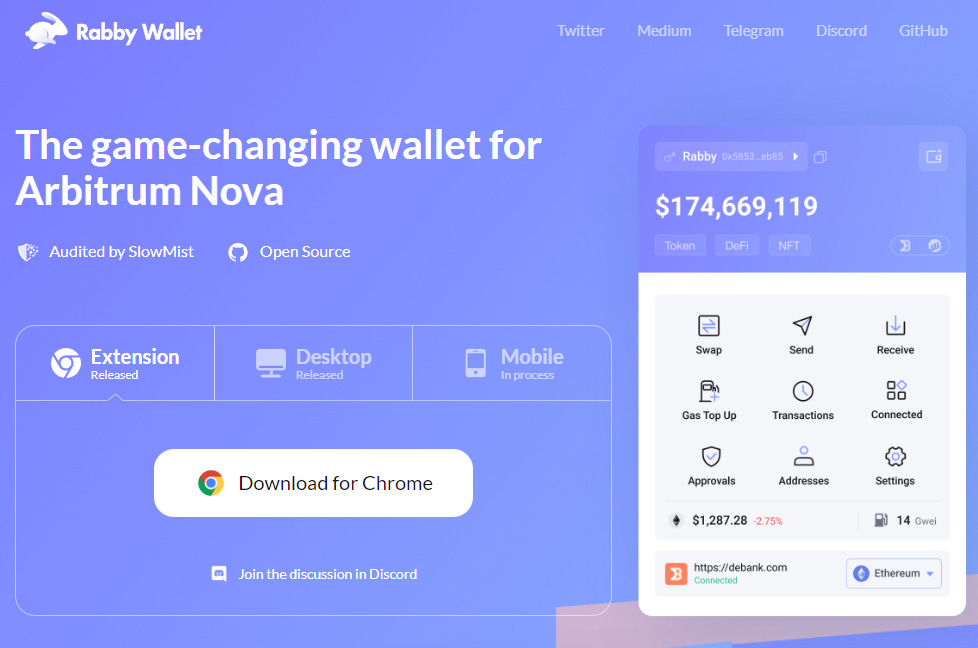
How Rabby Feels Different (and How to Get It)
Whoa!
Okay, so check this out—Rabby focuses on multi-chain clarity, granular permissions, and smoother network switching, which is exactly what busy DeFi users need.
If you want to try it, a painless way to start is the official download link for the extension: rabby wallet download.
I’m not saying it will replace every use case, but for me it solved day-to-day pain points that other wallets left unresolved, and that mattered more than some headline feature sets.
Try it on a small amount first, watch approvals, and you’ll see why it’s earned a spot in my toolbelt.
Hmm…
Security practices still count, and no extension is an island — you must manage seed phrases and hardware wallet pairings like a pro.
Rabby supports hardware wallet integration, which is crucial for higher balances, though pairing workflows can feel fiddly at first.
On the bright side, once paired, the combined UX is significantly safer than using a raw seed phrase in an extension, and that lowers my stress when I do larger transfers.
Also, there’s a neat revoke flow and allowance manager that I’ve used two or three times to clean up stray approvals — very helpful, very very welcome.
Really?
One thing that bugs me is intermittent RPC behavior; sometimes networks lag and transaction statuses hang, and that can spook a new user.
That’s not unique to any single wallet, but it’s where extension design can either mitigate confusion or amplify it.
Rabby attempts helpful fallback messaging and clearer pending-state indicators so you aren’t left guessing, which reduces impulse retries and failed gas wars.
Those small UX choices prevent wasted fees and anxious refresh-retries, which all add up to a calmer experience.
Wow!
For builders and power users, the devtools and permission logs are useful because they expose patterns that were previously opaque.
I appreciated being able to trace which dApp requested an allowance and when, which made audits and cleanups straightforward.
On the flip side, exposing that data could overwhelm newbies, so the balance between transparency and simplicity remains a design challenge.
I like that Rabby leans toward empowering users without dumbing things down, though your mileage may vary if you’re coming from a super-simple wallet.
Hmm…
I should be honest: I’m not 100% sure about its long-term roadmap stability, and I haven’t stress-tested it under extreme mainnet congestion yet.
But my real-world use over months showed tangible improvements in my routine, and that counts.
If you value better allowance handling, multi-chain ergonomics, and clearer transaction context, it’s worth a try; if you prize different trade-offs, maybe not.
Either way, trying with a small test amount is smart, and the link above will get you started without hunting through forums or mirrors.
FAQ — Practical things you actually want to know
Is Rabby safe for serious funds?
Wow!
Yes, it supports hardware wallets which is the recommended path for larger balances, and it surfaces approvals to help you avoid accidental allowances.
However, no extension should be your only safeguard; combine it with cold storage, diversify key custody, and use the revoke tools regularly.
Can I use Rabby across many chains without manual RPC pain?
Really?
It smooths network switching and provides sane defaults, but occasionally you may need to add a custom RPC for niche chains.
Overall it reduces the friction compared to many competitors, which is the main reason I stopped dreading layer-2 swaps.
How do I start safely?
Hmm…
Install the extension, test with a small amount, check approvals closely, and if you have a hardware wallet, pair it before moving significant funds.
Practice using the revoke/allowance manager — it’s quick and it builds safer habits.